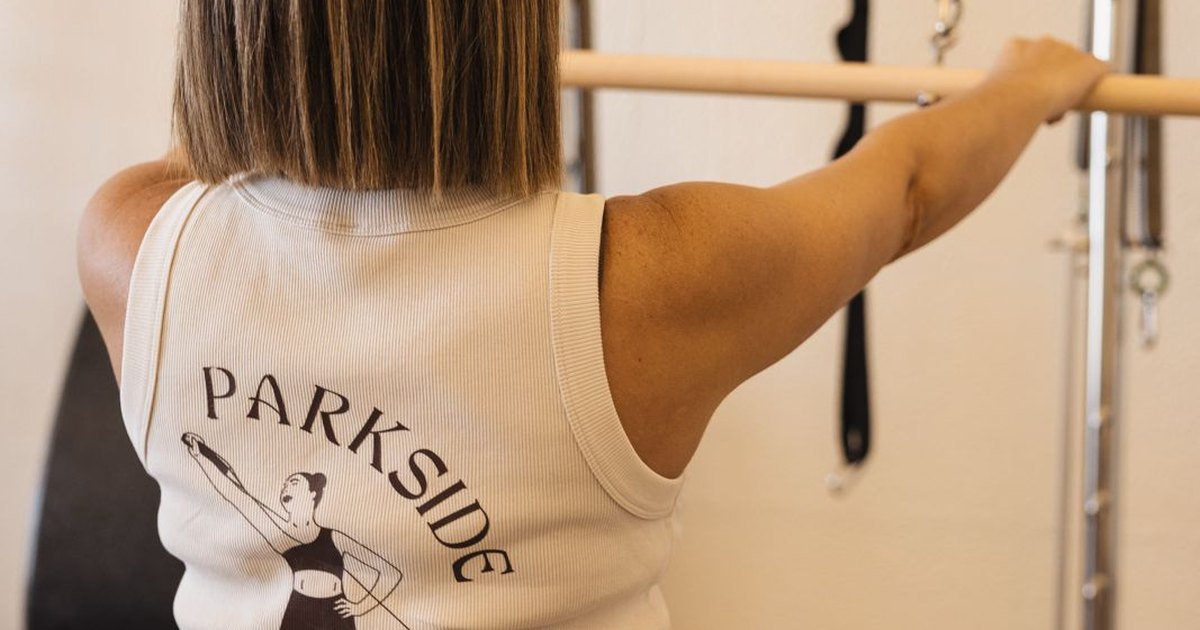
In short: Pilates is one of the most accessible ways for women over 50 to build strength, balance and confidence. It’s low impact, can be adapted to any starting point, and works best for bone health when it includes progressive resistance. Look for small classes, an instructor who adapts exercises for you, and a program that gets gradually more challenging.
Many women come to Pilates in their 50s or 60s for the first time. Some have stopped enjoying the gym, some have noticed their balance isn’t what it was, and some have just had a bone density scan that gave them a fright. Others simply want to feel strong again.
Whatever brings you here, it’s not too late to start. This article explains what changes in your body after 50, how Pilates can help, and what to look for in a class so you feel safe and supported. It’s general information, not medical advice. If you have a health condition, osteoporosis or a recent injury, check with your doctor before starting a new program.
What changes in your body after 50
From our 40s onwards, and especially around and after menopause, a few things tend to happen together:
- Muscle mass and strength gradually decline unless we work to keep them
- Bone density can drop faster as oestrogen levels fall
- Balance and reaction time can become less sharp, which raises the risk of falls
- Stiffness and aches can make everyday movements feel harder
None of this is a reason to slow down. It’s a reason to train in a way that keeps you strong for the things you love, from carrying the shopping to playing with grandchildren to travelling without worrying about your back.
Why Pilates suits women over 50
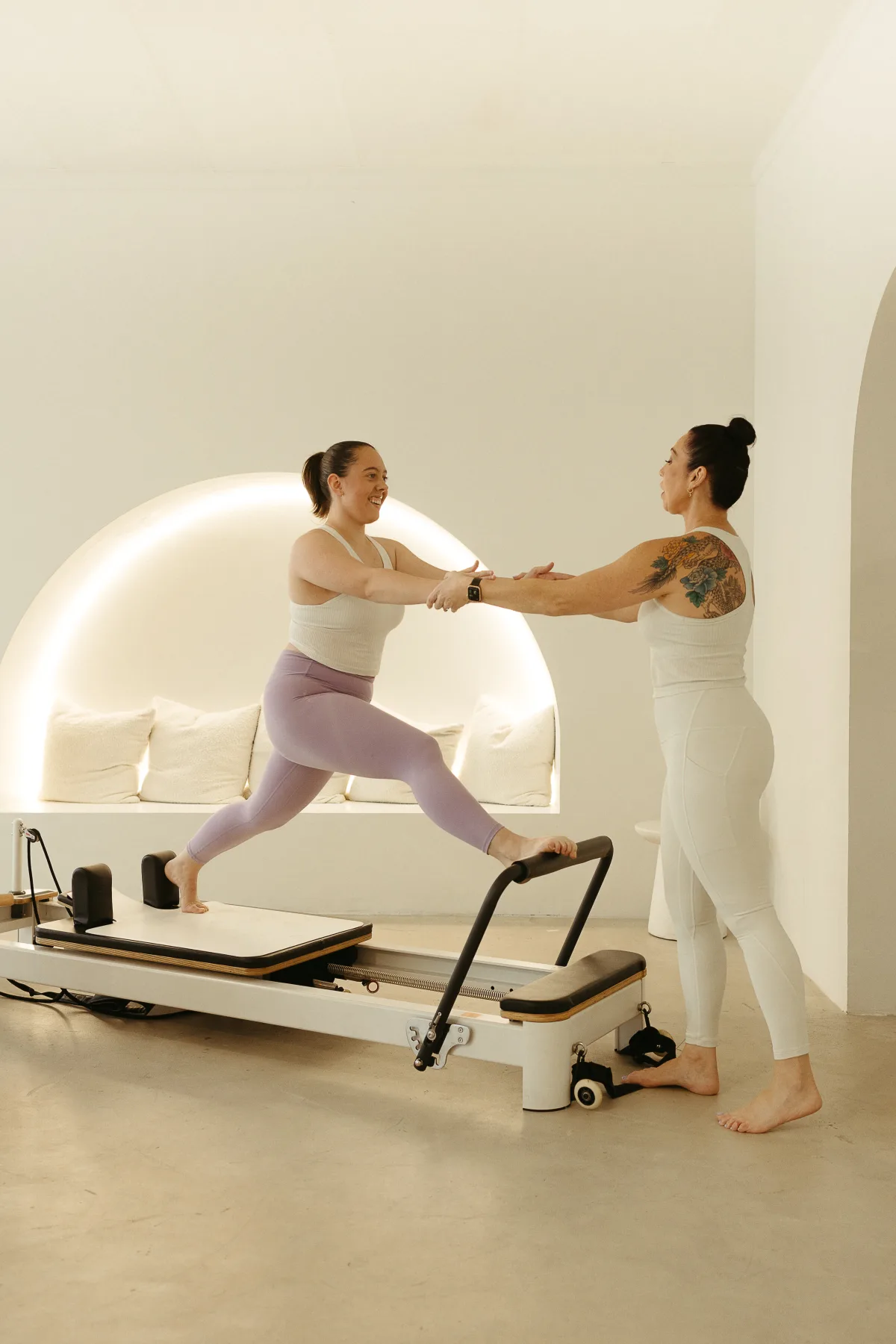
It’s low impact but still builds strength
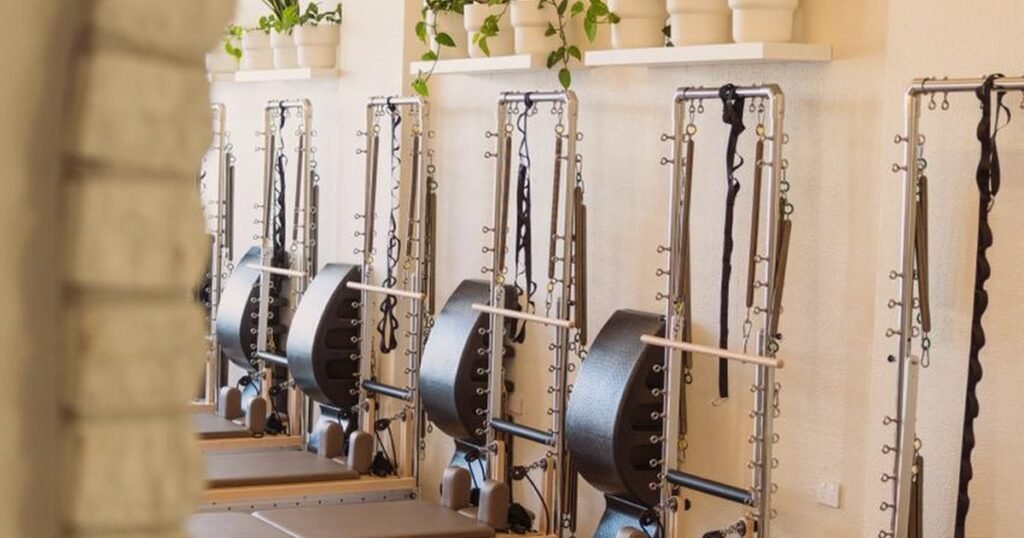
Pilates works your muscles hard without jumping or pounding your joints. On the Reformer and Tower, springs add resistance that can be increased gradually as you get stronger.
It trains balance and control
Many Pilates exercises challenge you to stay steady while your arms or legs move. This kind of control is exactly what helps you catch yourself on a step or a slippery footpath.
It can be adapted to almost anyone
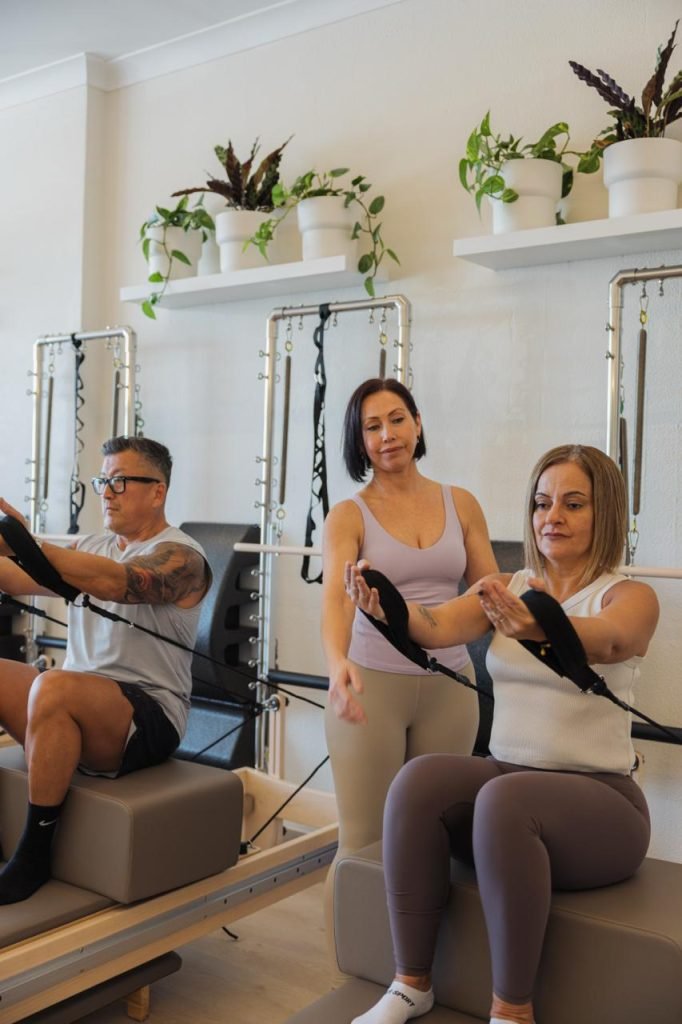
A good instructor can make every exercise easier or harder, work around a sore knee or shoulder, and avoid positions that aren’t right for you, such as loaded forward bending if you have osteoporosis.
It builds core strength and posture
A strong, well-coordinated core supports your back through everyday life. We’ve written more about this in how to build a stronger core without endless sit-ups.
What about bone health?
Bones respond to load. Australian guidance from Healthy Bones Australia recommends combining three types of exercise: resistance training that gradually increases, weight-bearing impact exercise, and balance training. If you have osteoporosis, they recommend supervision from a qualified professional.
Pilates on its own is great for strength, balance and posture, but the research on Pilates alone and bone density is limited. That’s why it works best for bone health when it’s combined with progressive resistance, such as springs and free weights that increase over time. The Better Health Channel also has useful advice on which movements to be careful with.
Our Stronger Bones classes were designed with physiotherapists and exercise physiologists for exactly this reason. They combine Pilates with weights in a progressive program, so you build strength steadily and safely. For the research behind it, read how to build stronger bones without an intimidating gym.
What to look for in a class
- Small classes, so the instructor can see how you’re moving
- An instructor who asks about injuries, health conditions and goals before you start
- Options to make every exercise easier or harder
- A program that progresses over weeks, not the same routine forever
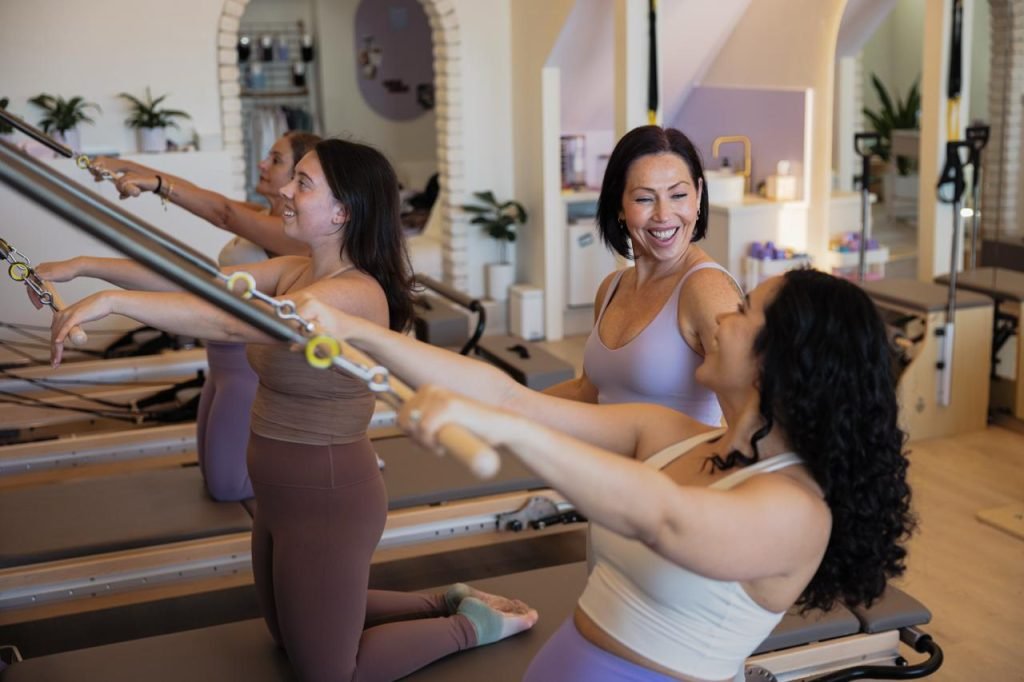
- A welcoming room where you don’t feel like the oldest or least fit person there
That last one matters more than people expect. Women tell us all the time that they stayed away from exercise because they felt out of place. Feeling at home is what keeps you coming back.
A simple way to start
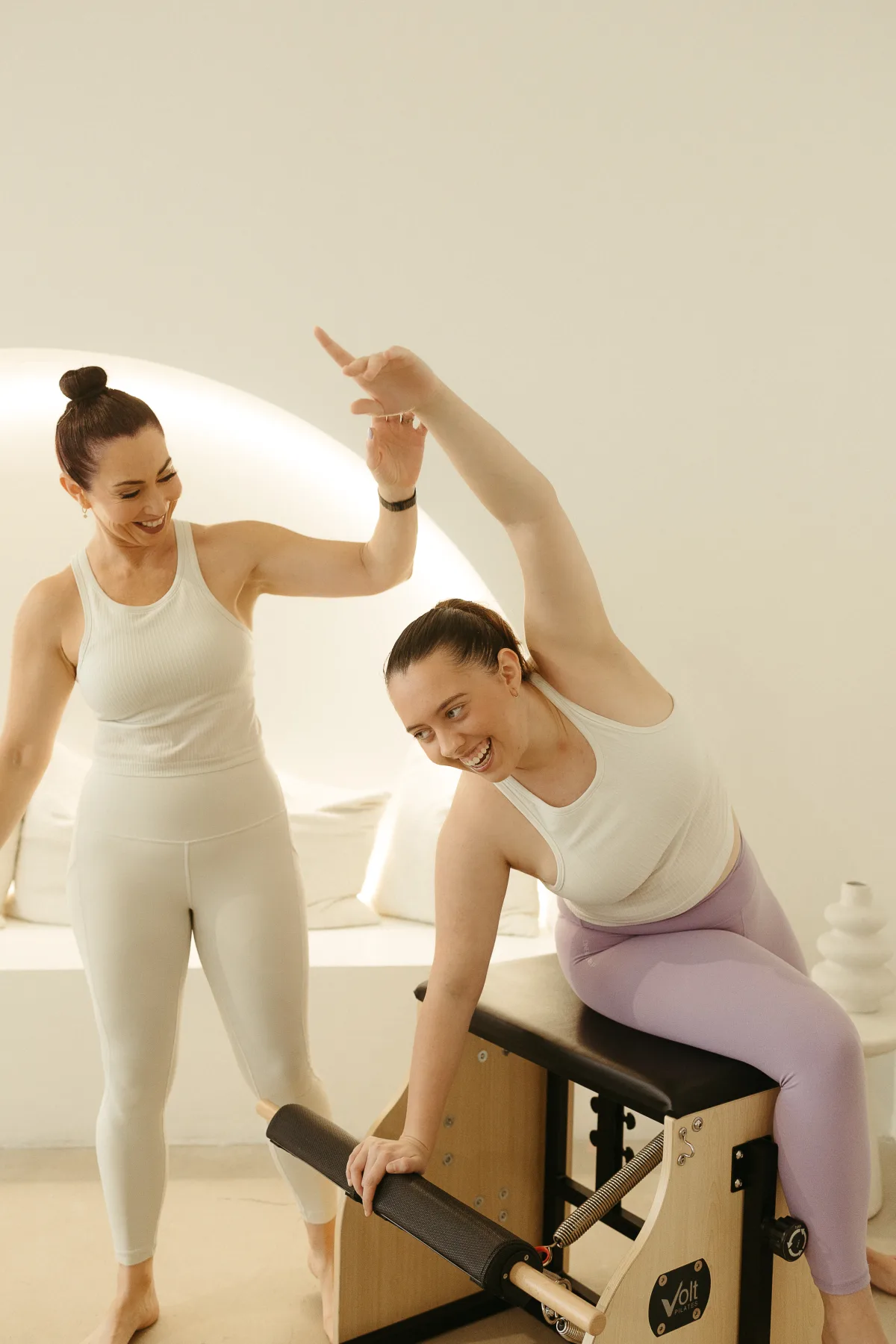
If you’re starting from scratch, aim for two sessions a week for the first month. Australia’s physical activity guidelines recommend muscle-strengthening activities on at least two days each week, and two classes is enough to notice a real difference in how you feel.
A good first fortnight might look like:
- One private or semi-private session to learn the basics and talk through any injuries
- Two or three small group Reformer classes to get comfortable on the equipment
- One Stronger Bones class to try strength work with weights
- A Stretch & Restore class or an infrared sauna session to recover
That’s exactly what our 14-Day Starter Pass is designed for: eight flexible credits over 14 days for $149, to use across group classes (maximum eight people), semi-privates (maximum four), privates and the infrared sauna. See how the Starter Pass works.
Why women over 50 choose Parkside
Parkside Pilates is a small boutique studio at 339 Homer Street, Earlwood, close to Bardwell Park, Dulwich Hill, Marrickville and Canterbury. It was founded by Renee, who has more than 26 years in the movement industry and a Polestar Pilates Diploma, and who is going through these same changes herself.
“I don’t want us just to feel stronger today. I want us to still feel strong, confident and be doing the things we love in 10, 20 or even 30 years’ time.” Renee, founder of Parkside Pilates
Common questions
Is it too late to start Pilates at 50, 60 or 70?
No. Many of our clients start in their 50s, 60s or later. Pilates can be adapted to your starting point, and strength can be built at any age with the right progression.
Is Pilates safe if I have osteoporosis?
For many people, guided and adapted Pilates is a good option, but some movements need to be modified, such as loaded forward bending and twisting. Talk to your doctor first and let your instructor know about your diagnosis.
Is Reformer or Mat Pilates better after 50?
Both are useful. The Reformer’s springs make it easier to start gently and add resistance gradually, which many beginners find helpful. Mat work builds control using your own body weight.
How soon will I notice a difference?
Many women say they feel steadier and stand taller within a few weeks of regular classes. Strength and bone changes take longer, so think in months, not days.
Start feeling strong again
If you’re over 50 and ready to feel stronger, steadier and more confident, we’d love to help you start. Grab a 14-Day Starter Pass or book a free 15-minute call with Renee to talk through your goals.
You may also like: Pilates for perimenopause and menopause and Pilates for healthy ageing.