For years, “core training” meant sit-ups and crunches, often hundreds of them. Many women still feel they should be doing them, even when they leave their neck aching or their lower back sore.
A strong core isn’t about how many crunches you can do. It’s about how well the muscles around your trunk work together to support you when you stand, walk, lift, carry and twist through everyday life. That kind of strength is built differently.
This article explains what your core actually is, why endless sit-ups aren’t the answer, and how Pilates helps you build a stronger core without aggravating your back. It’s general information, not medical advice. If you have back pain, a recent injury or osteoporosis, check with your doctor or physiotherapist first.
What your core actually is
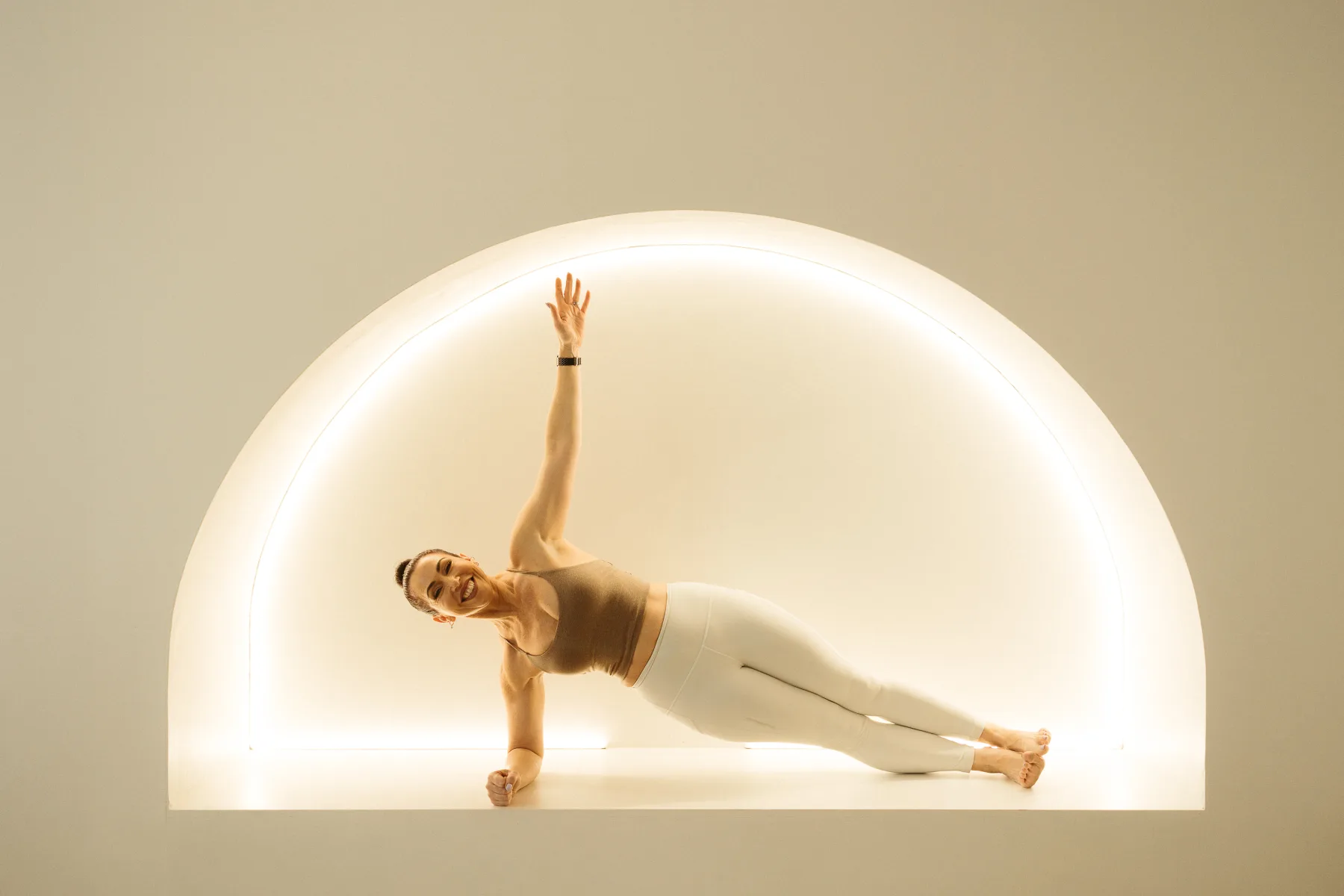
Your core isn’t just your “six-pack”. It’s a team of muscles that wraps around your trunk, including:
- The deep abdominal muscles that wrap around your waist like a corset
- The muscles along your spine
- Your diaphragm, which you breathe with
- Your pelvic floor
- The muscles around your hips
These muscles work together to support your spine and transfer force between your upper and lower body. When they coordinate well, everyday movements feel steadier and more comfortable.
Why endless sit-ups aren’t the answer
Sit-ups and crunches mainly work one muscle group at the front of the abdomen, and they do it by repeatedly bending the spine forward. For many people that’s not a problem in moderation. But doing lots of them:
- Trains only a small part of the core
- Can place repeated strain on the neck and lower back
- Is often not recommended for people with osteoporosis, as Australian guidance such as the Better Health Channel advises avoiding loaded forward bending of the spine
- Doesn’t teach the core to support you while you’re moving, which is what you need in real life
A strong core is one that can keep you stable while your arms and legs move, and that responds when you need it.
How Pilates builds core strength differently
Pilates was built around core control. Instead of repeating one movement many times, it trains the deep muscles to switch on and support you through a wide range of movements. In practice that means:
Breath and control first
Pilates connects breathing with movement, which helps the diaphragm, deep abdominals and pelvic floor work together rather than bracing tightly or holding your breath.
Stability while you move
Many exercises challenge you to keep your trunk steady while your arms or legs move. This is much closer to how your core works when you carry shopping, lift a grandchild or climb stairs.
Support from the equipment
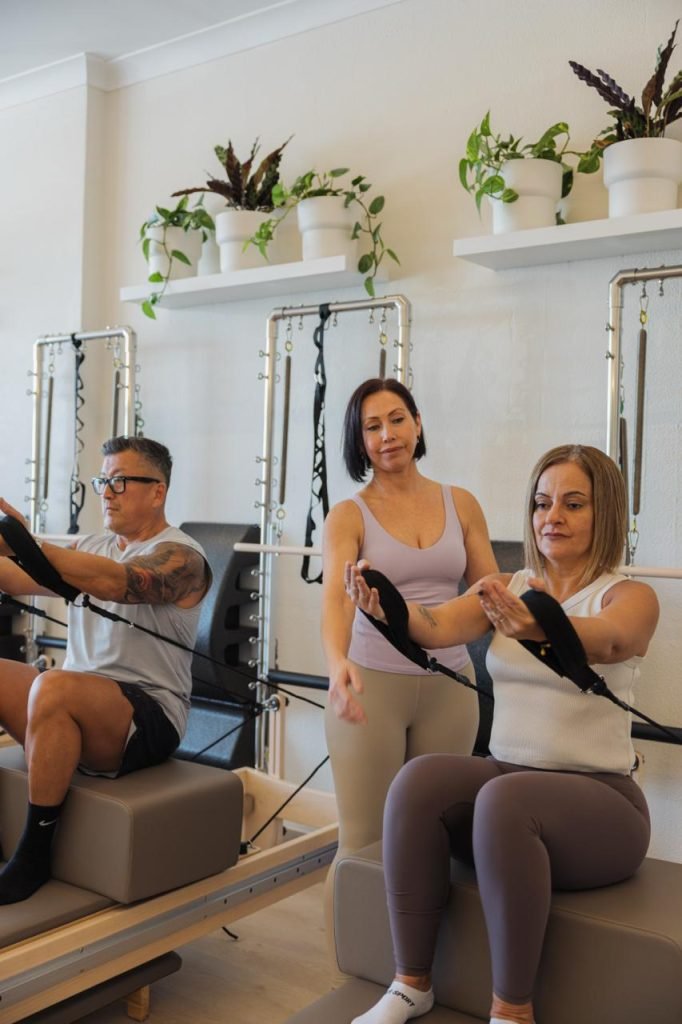
On the Reformer and Tower, springs can either assist you or add resistance. That means exercises can be made easier while you learn, then gradually more challenging as you get stronger, without forcing your back into positions it doesn’t like.
Progression that matches you
Good core training builds over time. An instructor can start you with simple, well-supported exercises and progress you as your control improves.
What the research says
Research on Pilates and back health is encouraging but not a promise. A Cochrane review of ten trials found that Pilates may help reduce pain and disability in people with non-specific low back pain in the short to medium term, although it wasn’t clearly better than other forms of exercise. The takeaway is that well-guided, regular exercise matters, and Pilates is one enjoyable, adaptable way to do it.
We’ve written more about this in Pilates for lower back pain.
Why guidance matters for your core
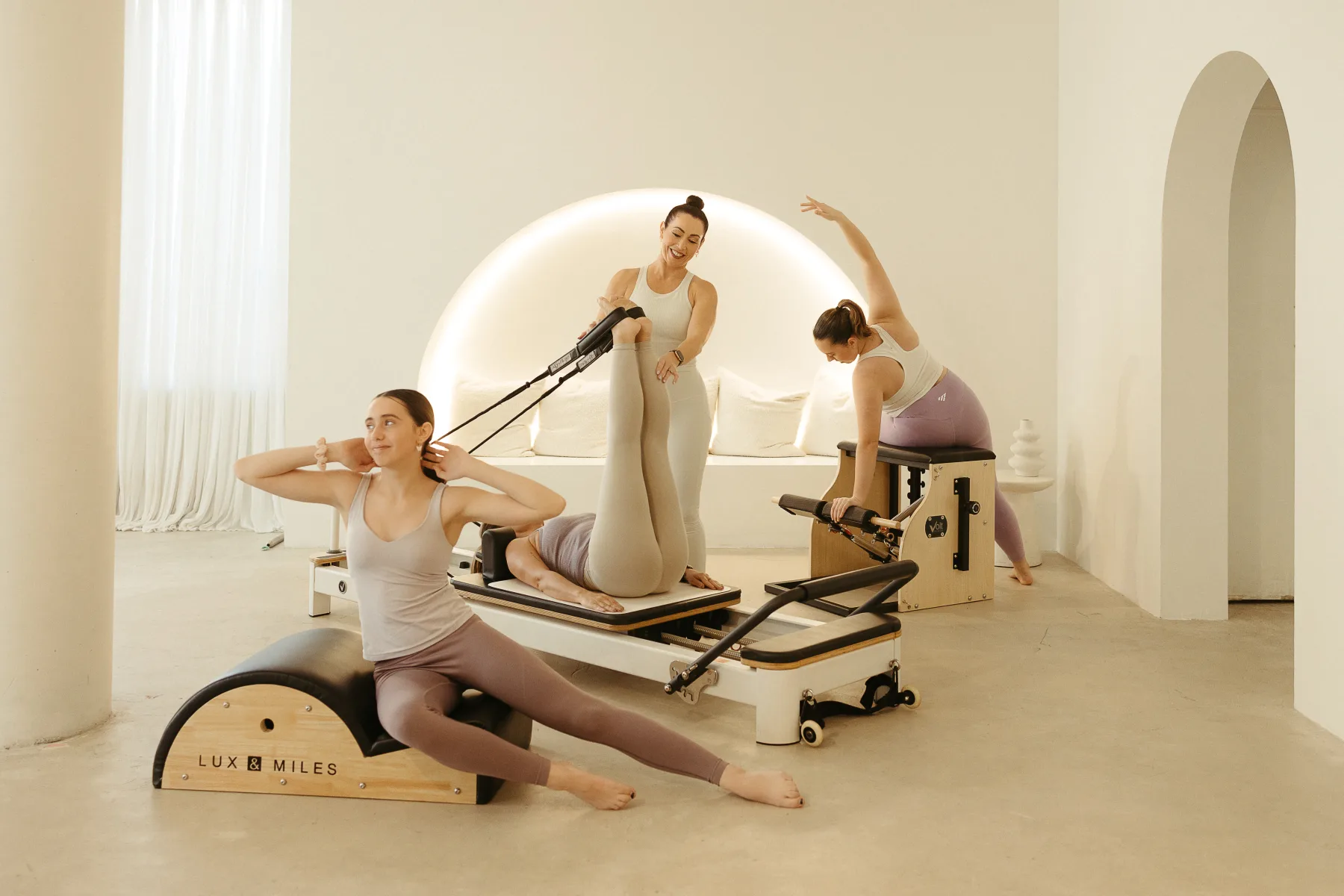
Core exercises look simple, but small details change everything: where you breathe, how your pelvis is positioned, whether your neck is relaxed. It’s easy to feel an exercise in the wrong place, especially when you’re new.
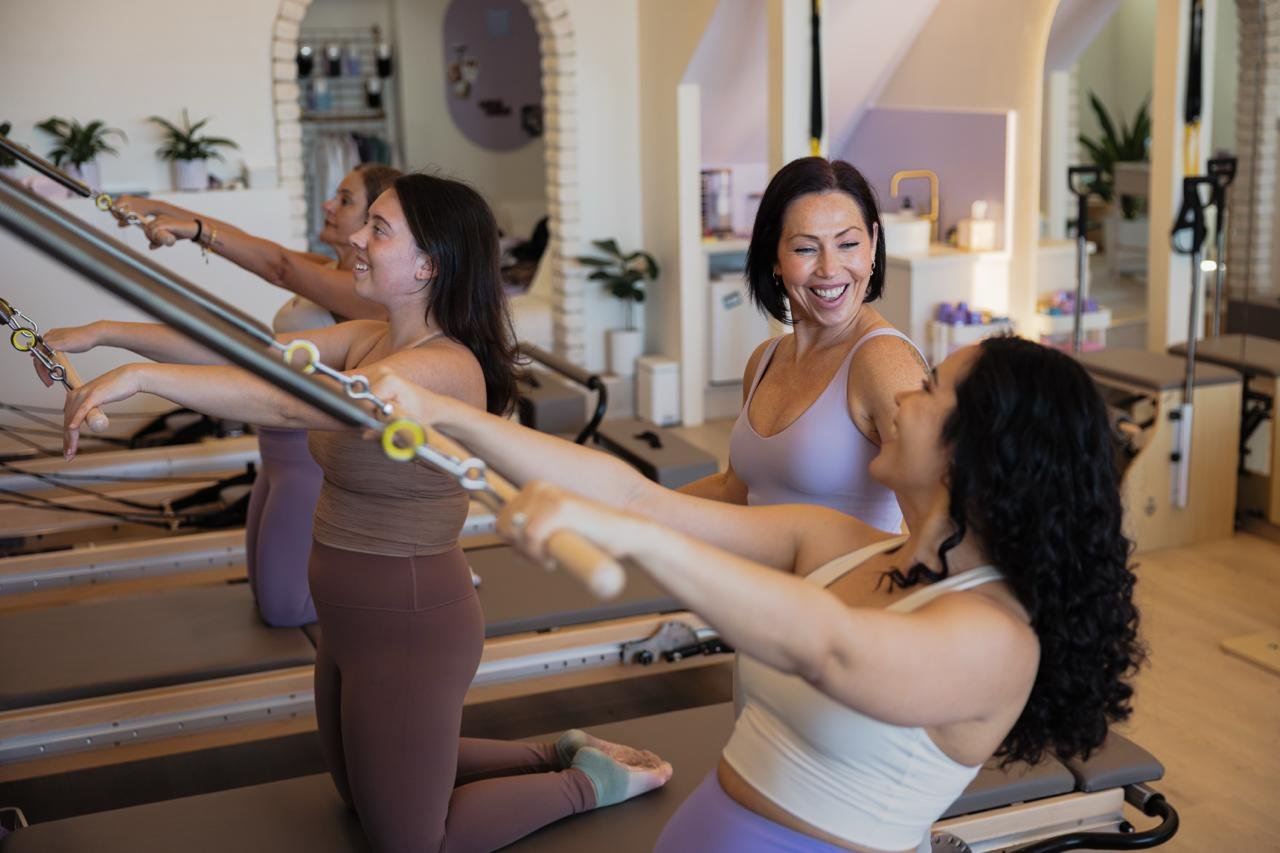
That’s why small classes and personal attention make such a difference. At Parkside, classes are kept small so your instructor can see how you’re moving and adjust as you go. If you’d like more individual support, our semi-private sessions have a maximum of four people, and private sessions are tailored entirely to you.
Common questions
Should I stop doing sit-ups completely?
Not necessarily. If they feel fine and you do them occasionally, they’re unlikely to be a problem. But they shouldn’t be your whole core program, and if they cause neck or back discomfort, there are better options.
How long before I feel a difference?
Many people notice they feel steadier and more aware of their posture within a few weeks of regular sessions. Strength builds gradually, so consistency is the key.
Is Pilates suitable if I have back pain?
Often, yes, when it’s appropriately guided and adapted. Let your instructor know about any pain or history of injury, and check with your health professional if you’re unsure.
Build a stronger core in Earlwood
If you’d like a stronger, more supportive core without endless crunches, we’d love to help you get started. Explore our introductory offer for new clients, or book a free 15-minute call with Renee to talk through your goals.
You may also like: Reformer Pilates: what to expect from your first class.